






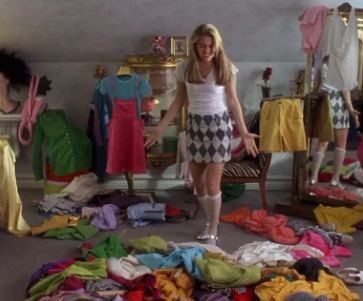
The consumer activism trend on social media by (de)influencers—which aims to lay bare what normal buying habits look like—has led consumers to think critically about how they consume.
For months, the buzzwords “overconsumption” and “underconsumption” have been appearing on social media. Videos featuring massive hauls of fast fashion, luxury brands and excessive collections are made as advertisements of wealth and show viewers unfeasible examples of how their spending should look. In the past, viewers would see the video and feel pressured to spend money, but as these videos become more like product ads, people have started calling out the unrealistic precedents they create.
A movement emerged that called these sorts of haul videos overconsumption, which is defined as “The action or fact of consuming something to excess.” Videos created to “deinfluence” viewers on overconsuming try to show what underconsumption looks like, using the word as the antonym of overconsumption and glorifying this as the right and ethical way to be a consumer. Furthermore, comments under these underconsumption videos often discuss how their contents are actually examples of normal consumption.
A brief explanation of what realistic, normal consumption looks like would be buying only the needed items. Examples of this include using items until they are gone or broken before buying a new one, shopping secondhand, and searching for quality items that will last for a long time. Being mindful of purchases by opting to upcycle items, buying something more sustainable, or investing in a longer-lasting alternative are qualities of a thoughtful consumer.
Sustainability and reducing waste are areas of activism that underconsumption influencers are incorporating into their content. Choosing a sustainable option whenever possible—as it may not be a realistic option for everyone—and making informed decisions can reduce post-purchase regret and help the environment.
“The truth of the matter is, even those consumers who say they want better environmental use of our resources still pick the cheapest, most convenient option, regardless of its actual impact on the planet,” economics teacher James Minor said. “ If it is truly a concern of yours, you have to put your money where your mouth is. You have to be willing to spend a little more on a product that’s made more environmentally friendly than a cheap, mass-produced product.”
The world’s—and especially America’s—consumer habits are contributing significantly to environmental problems. If all 8 billion people consume as much as the average American does, it would take 5 planets to sustain the population (PopulationMatters.org).
“We have historically been able to consume at levels much higher than the average person around the world, but now that we’re starting to see the middle class grow in other parts of the world as well, the environmental impacts of our consumerism are becoming a lot more evident,” Minor said.
Despite this, economic policy aims to boost consumer spending because around 70% of the US’s GDP comes from household consumption. In addition to economic factors affecting jobs, education, and healthcare, they also affect an individual’s own savings and long-term financial security.
“We saw that a lot a couple of years ago, when we had the 9% inflation,” Minor said. “What that means is you can buy 9% less stuff with your paycheck. That certainly impacts our ability to be able to afford groceries, gas, and things like that.”
Teenagers are especially targeted for consumer spending. Teenagers have more money and more sway over their parents than ever before, which is why US companies spend over $15 billion on marketing to children.
“In our country, through advertising, we are taught to be consumers at a very young age,” Minor said. “My generation was watching Saturday morning cartoons and all the commercials for cereals and toys, and the teenagers’ generation is fed ads on the streaming apps and YouTube.”
Teens are also attracted to prestigious brands because having popular items means fitting in. Much of marketing, especially on social media, utilizes this pattern in teens and young adults, meaning that they start buying before they can develop consumer skills.
For teens to start being mindful when shopping, one thing they can do is research an item before they buy it. Look at reviews, see if it is made of durable materials and understand the company’s ethics. Bad results should turn someone away from the product immediately.
If the item presents itself well by those standards, one still can’t be too sure about buying it. They can test whether the urge to buy the item is just an impulse by putting it in a to-buy list for later. When they come back to the list after at least 2 weeks, they can decide whether or not they still want it based on the number of times they thought about the item in that span of time.
For the impatient consumers, here is something they can think about when they pick something up in the store: If they have a job, they can compare the item to their hourly wage. For example, if something they want is $60 and they make $15 per hour at their job, they need to ask themselves if they would work for four hours just to get that item. This way, they can measure the worth of the item and ensure they’re not wasting their money or time.
Another good way to become a responsible and mindful consumer is to keep track of where money goes. Write down every time money goes in and out. With a system like this, a person can see how much they have bought and how much it costs them. Hopefully it will be an eye-opener, as physically seeing the money go in and out can motivate someone to make their money grow instead of shrink.
When working on consumption habits, take into account what is already at home. Don’t buy repeat items, and if something needs to be replaced, try to find a way to salvage or upcycle it first. Oftentimes, items just need a second chance, not to be thrown in the trash.
Taking good care of items will help prevent them from needing to be replaced often. Make sure items are clean and in a safe place where they can’t be broken. Hang clothes up instead of throwing them on the floor to pick up dirt. Most importantly, follow the care instructions that come with the item to extend its life. This way, someone won’t have to spend money so often to replace the same item.
In summation, do as Charli xcx wills: “You should rewear an item to death.” Or, more generally, buy less, reuse more.
Check these links to find out more about consuming sustainably, the underconsumption trend, and marketing targeting teens.